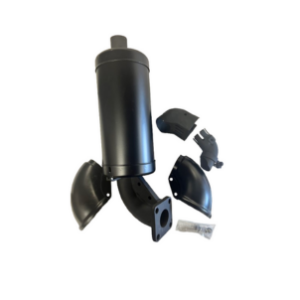
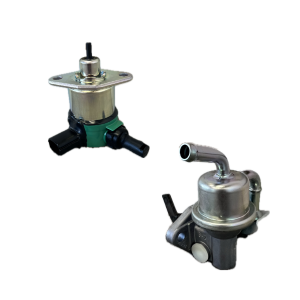
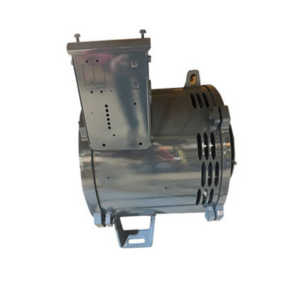
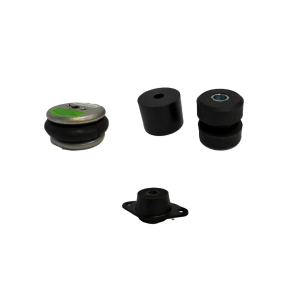
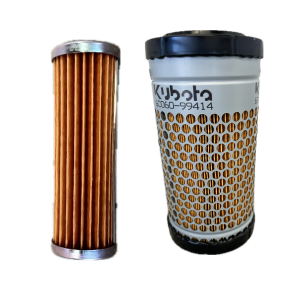
Generator performance depends on the condition of its critical components. Routine inspection and timely replacement of wear items can help reduce downtime and support reliable operation.
Key generator components include fuel system parts, cooling system components, control systems, generator ends, filters, belts, hoses, and maintenance kits. Each plays an important role in supporting power generation and equipment reliability.
Fuel system components help deliver clean fuel to the engine, while cooling system parts assist with temperature control during operation. Control systems monitor performance and help manage generator functions.
Maintenance kits simplify scheduled service by providing commonly replaced components in a single package. Following manufacturer maintenance schedules can help identify worn parts before they affect performance.
Proper maintenance practices and the use of compatible replacement parts contribute to long-term generator operation and reliability.
Frequently Asked Questions
The correct replacement part is typically identified using the generator model number, serial number, and manufacturer specifications. Matching parts to the equipment documentation can help ensure compatibility and proper operation.
Common replacement parts include air filters, fuel filters, oil filters, belts, hoses, batteries, sensors, cooling system components, and maintenance kit items. Replacement frequency depends on operating conditions and maintenance schedules.
Filter replacement intervals vary depending on generator usage, environmental conditions, and manufacturer recommendations. Regular inspection of fuel, oil, and air filters helps maintain generator performance and reliability.
A generator maintenance kit often includes oil filters, fuel filters, air filters, seals, and other routine service components required during scheduled maintenance. Contents may vary depending on the generator model.
Signs of potential control system issues may include warning alarms, unexpected shutdowns, starting difficulties, inaccurate readings, or communication errors. Diagnostic testing can help identify the underlying cause.
Cooling system components should be inspected regularly for leaks, corrosion, wear, or reduced performance. Replacement timing depends on operating conditions, maintenance history, and manufacturer recommendations.
OEM parts are manufactured according to the original equipment specifications, while aftermarket parts may vary by supplier. Selecting quality components that meet compatibility requirements is important for reliable operation.
Filters, belts, hoses, batteries, seals, and certain cooling system components are commonly subject to wear over time. Routine inspections can help identify components that require replacement.
Service schedules depend on generator type, operating hours, environmental conditions, and manufacturer guidelines. Routine maintenance helps improve reliability and reduce unexpected downtime.
Preventive maintenance helps identify potential issues before they become major failures. Regular inspections and scheduled replacement of wear components can help maintain generator performance and extend equipment life.